
Electric Vehicle (EV) Transition in India: Driving the Future of the Indian Automobile Industry
Electric Vehicle (EV) Transition in India: Driving the Future of the Indian Automobile Industry
The Indian automobile industry is undergoing a historic transformation as electric vehicles (EVs) emerge as a central pillar of future mobility. With rising fuel prices, increasing environmental concerns, and strong government support, the transition toward electric mobility is no longer a distant vision—it is actively reshaping how vehicles are designed, manufactured, and used across India. From two-wheelers to passenger cars and commercial fleets, electric vehicles are redefining the Indian automotive landscape.
One of the key drivers of EV adoption in India is the country’s commitment to reducing carbon emissions and dependence on fossil fuel imports. Road transport contributes significantly to urban air pollution, prompting policymakers to push for cleaner alternatives. Government initiatives such as the FAME (Faster Adoption and Manufacturing of Electric Vehicles) scheme, state-level EV policies, and GST reductions on electric vehicles have played a crucial role in accelerating market acceptance. These measures aim to make EVs affordable while supporting domestic manufacturing under the “Make in India” initiative.
Indian automobile manufacturers are responding rapidly to this shift. Leading companies are expanding their electric vehicle portfolios across multiple segments, including electric scooters, electric cars, and electric commercial vehicles. The focus is not only on premium EVs but also on mass-market models tailored for Indian road conditions and usage patterns. Compact dimensions, improved ground clearance, and cost efficiency are key priorities, reflecting the unique needs of Indian consumers.
Battery technology remains the backbone of electric vehicle growth in India. Lithium-ion batteries currently dominate the market, but manufacturers are continuously working to improve battery range, charging speed, and durability. Local battery assembly, recycling initiatives, and alternative chemistries are gaining attention as the industry seeks to reduce costs and dependency on imports. Improved battery performance is helping address range anxiety, one of the primary concerns among first-time EV buyers in India.
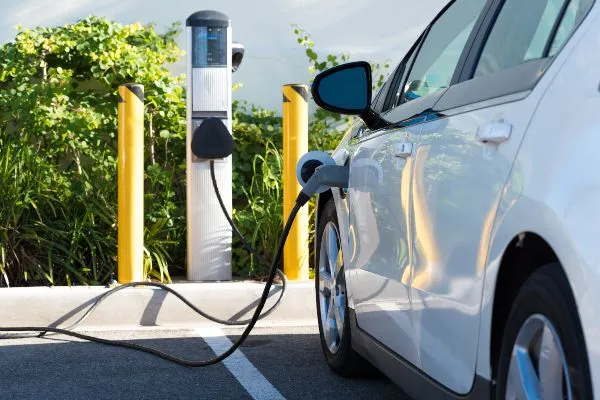
Charging infrastructure development is another critical component of India’s EV transition. While challenges remain, both public and private players are expanding charging networks in major cities, highways, and commercial hubs. Fast-charging stations, residential charging solutions, and workplace chargers are becoming more common, making EV ownership increasingly practical. Several state governments are also mandating charging infrastructure in new residential and commercial developments, further strengthening the ecosystem.
From a consumer perspective, electric vehicles are gaining popularity due to their lower running and maintenance costs. Compared to petrol and diesel vehicles, EVs offer significant savings on fuel expenses, making them attractive for daily commuting and fleet operations. Additionally, electric vehicles provide a smoother, quieter driving experience, aligning well with urban mobility requirements. As awareness grows, Indian buyers are increasingly viewing EVs as smart, long-term investments rather than experimental technology.
Despite strong momentum, the EV market in India faces certain challenges. High upfront costs, limited charging availability in smaller towns, and supply chain dependencies can slow adoption. However, continuous improvements in localization, economies of scale, and supportive financing options are gradually bridging these gaps. The growing presence of EV startups and innovation-led companies is also adding competition, pushing the market toward better pricing and improved product quality.
Electric mobility in India is not limited to passenger vehicles alone. Electric two-wheelers and three-wheelers are witnessing rapid growth, especially in urban and semi-urban areas. These segments play a vital role in last-mile delivery, shared mobility, and public transportation, offering immediate environmental and economic benefits. Electric buses and light commercial vehicles are also being adopted by state transport authorities and logistics companies to reduce operating costs and emissions.
Looking ahead, the future of the Indian automobile industry is closely tied to electric vehicles, smart mobility, and sustainable transportation. Integration of software, connected vehicle technologies, and advanced driver assistance systems will further enhance the value proposition of EVs. As India continues to urbanize and modernize its transport infrastructure, electric vehicles are expected to become a mainstream choice rather than a niche alternative.
In conclusion, the electric vehicle transition represents a fundamental shift in the Indian automotive sector. Backed by policy support, technological innovation, and changing consumer preferences, EVs are set to play a defining role in India’s mobility future. For automakers, suppliers, and automotive businesses, embracing electric mobility is not just an opportunity—it is a necessity to remain competitive in a rapidly evolving market.
Recent Comments
Posts Widget


Your trusted partner in premium car care, detailing, and protection. We bring shine, protection, and perfection to every drive.
Need Help?
feel free to contact here
Monday – Friday: 9:00-20:00
Saturady: 11:00 – 15:00
- Free delivery for all orders over ₹1500
Copyright 2025 © All right reserved by Global Enterprises